PorchLight Recovery understands the importance of work-life balance, and how quickly life’s stresses can open a door to a life of addiction.

and Peer Coaching
Luxury Sober
Living Campus
For All
Connections
Amenities
to Track
Progress
Family
Health and
Wellness
Therapy
and Peer
Coaching

Luxury Sober
Living Campus
For All
Connections
Connections
Amenities
to Track
Progress
Family
Health and
Wellness
Therapy
and Peer
Coaching
Health and Wellness
Luxury Sober
Living Campus
For All
Support
Connections
Amenities
to Track
Progress
Family
Health and
Wellness
Therapy
and Peer
Coaching

and Family
Luxury Sober
Living Campus
For All
Connections
Amenities
to Track
Progress
Family
Health and
Wellness
Therapy
and Peer
Coaching

to Track
Progress
Luxury Sober
Living Campus
For All
Support
Connections
Amenities
to Track
Progress
Family
Health and
Wellness
Therapy
and Peer
Coaching
Luxury Sober
Living Campus
For All
Connections
Amenities
to Track
Progress
Family
Health and
Wellness
Therapy
and Peer
Coaching

Luxury Sober
Living Campus
For All
Connections
Amenities
to Track
Progress
Family
Health and
Wellness
Therapy
and Peer
Coaching
What is NARR Level III supervised sober living?
NARR Level III is the “Supervised” standard set by the National Alliance for Recovery Residences: a staffed recovery residence with organizational oversight, house rules, drug testing and structured life-skills programming. PorchLight Recovery operates Level III supervised sober living in restored historic homes in downtown Lancaster, Pennsylvania, and is licensed by the Pennsylvania Department of Drug and Alcohol Programs (DDAP).
- Supervision: 24/7 support and structure, with house staff and clear house rules in every residence.
- Staffing and coaching: individual, peer and life-skills recovery coaching, with care coordination between your clinical providers and our on-site staff.
- Drug testing: regular drug testing and accountability that support each resident’s recovery goals.
- Eligibility: adults who have completed detox and no longer need medical stabilization, and who want a structured, sober environment, often while attending IOP or PHP or working.
- Typical length of stay: no fixed length; PorchLight recommends an average of six months.
Halfway house, sober living or Level III recovery residence: what is the difference?
The terms overlap, but they describe different levels of structure. Pennsylvania’s DDAP describes a halfway house as a home-like setting in the community that can offer treatment, and a recovery house as a safe, healthy, family-like substance-free living environment. The National Alliance for Recovery Residences (NARR) grades recovery residences from Level I (peer-run) and Level II (monitored) to Level III (supervised) and Level IV (clinical).
| Aspect | Halfway house | Sober living (NARR Level II) | Level III recovery residence |
|---|---|---|---|
| What it is | A home-like setting in the community that can offer treatment (DDAP) | A monitored sober home overseen by a house manager; NARR calls Level II homes “sober homes or sober living” | A supervised residence with trained or credentialed staff and weekly structured programming (NARR) |
| Pennsylvania oversight | Licensed by DDAP and listed separately from recovery houses | DDAP license required when the home receives public funding or referrals | Same DDAP rule; NARR certification in Pennsylvania through PARR |
| PorchLight | — | — | DDAP-licensed, NARR Level III, PARR member |
Which level of care is right for you?
| Level | What it includes | Who it fits | Backed by |
|---|---|---|---|
| Level III supervised sober living | Shared rooms, private rooms and executive suites in restored homes; 24/7 support and structure; recovery coaching; drug testing | Adults who are medically stable after detox or inpatient care, including people attending IOP or PHP or keeping a job | DDAP license; NARR Level III standard; PARR member |
| Relapse stabilization | A recommended 90-day stay with individualized coaching and a relapse-prevention action plan | People who have had a relapse and need structure to regain stability | DDAP-licensed residence |
| IOP and PHP (clinical care) | Treatment with Lancaster County partner providers today; PorchLight’s own 12-week program at 12–14 S. Queen Street from Fall 2026 | People who need structured treatment while living in supervised sober housing | Licensed clinical providers — IOP and PHP in Lancaster |
How long should you stay in sober living after rehab?
There is no set length of time. PorchLight recommends an average stay of about six months to promote stability, practice skills and set a solid foundation; longer stays give residents more time to turn those skills into lasting routines.
- Average stay: about six months, set with each resident in an individualized recovery plan.
- Relapse stabilization: a recommended 90-day stay with individualized coaching and a relapse-prevention action plan.
- Pace: residents move through the three phases as goals are met, not on a fixed calendar.
Licensed and certified: DDAP, NARR Level III and PARR
- DDAP-licensed: PorchLight is licensed by the Pennsylvania Department of Drug and Alcohol Programs, the state agency that licenses recovery houses, and its homes are inspected to state standards.
- NARR Level III: PorchLight meets the National Alliance for Recovery Residences Level III (“Supervised”) standard.
- PARR member: PorchLight is a member of the Pennsylvania Alliance of Recovery Residences, NARR’s Pennsylvania affiliate.
- Recovery Friendly Workplace: PorchLight is a certified Pennsylvania Recovery Friendly Workplace.
How do you check if a sober living home in Pennsylvania is DDAP licensed?
Pennsylvania requires recovery and sober living homes that receive referrals from state agencies or state-funded facilities, or federal or state funding, to be licensed by the Department of Drug and Alcohol Programs (DDAP). To check a home:
- Search DDAP’s Drug and Alcohol Facility Locator, which DDAP describes as the most up-to-date listing of licensed recovery houses.
- Ask the home for its DDAP license and check that the name and address match the locator.
- Check NARR certification separately in the PARR residence directory: PARR certification and DDAP licensing are different credentials.
PorchLight Recovery is DDAP-licensed, operates NARR Level III supervised homes and is a PARR member.
How does a case manager refer a client to PorchLight?
- Check availability. Current bed availability is posted on our page for case managers.
- Contact admissions. Call 833-799-6500, every day from 9 AM to 5 PM ET, or email info@porchlightrecovery.com. Send us your client’s name and phone number; we handle the paperwork.
- Confirm fit. We confirm basic eligibility and the right room. Same-day intake is often possible when a bed is available.
- Coordinate care. We coordinate with your client’s IOP or PHP provider and help with transportation to treatment.
Extended Residential Recovery
Porchlight Recovery is so much more than just sober living. As a Pennsylvania Department of Drug & Alcohol, State Licensed sober living campus, all our supervised homes meet the highest standards. From day one, our team is here to provide support once the detoxification process is complete and medical stabilization is no longer required. This level of care is tailored for individuals not requiring a full-on detoxification for addiction, but rather for a structured, sober-living environment than offered in an out-patient setting without 24-hour supervision.
As part of the intake process, our team will work to identify the underlying causes of addiction, and create an attainable action plan to address their substance abuse problems including alcohol addiction, Opioid dependency, cocaine use, and other substances and develop an achievable and sustainable recovery plan. Our staff are here to provide guidance and support to ensure residents can focus on their recovery in a safe and relaxed environment with elevated amenities that provide our guests comfort and a feeling of home. Throughout their stay, residents are encouraged to participate in an array of therapeutic sessions, individualized one-on-one and group sessions with our team, and group education using state of the art applications and tools to ensure a sustainable path to recovery long after transitioning out of our campus and back to their lives.
Unique to PorchLight Recovery’s campus is our integrated, friends and family supportive housing that offers a dedicated space for our client’s family, friends and loved ones to actively participate in the recovery process. Our on-campus healing homes are fully equipped and provide an extra layer of support in being present during a very special and pivotal time in the early stages of one’s recovery. Moreover, PorchLight Recovery’s campus offers family and friends reasons to stay connected and is easily accessible by car or Amtrak from the New York, New Jersey, Philadelphia, and the Washington D.C. areas.
The staff at PorchLight Recovery understands that relapse is sometimes part of an individuals path to recovery. Despite vast resources, proactive planning and assertive action, life’s stressors can still trigger a relapse event and if addressed early, can often be remediated without catastrophic consequences. Studies have shown that living in a positive, sober living environment increases the success rates of not relapsing; therefore, our staff recommend a 90-day sober-living stay in a nurturing environment with individualized coaching. This increases the chances of success and allows residents the ability to take back control of their lives after a mishap. During this time, certified Wellness Recovery Action Planning and Relapse Prevention staff will work to determine what led up to the event and develop an actionable prevention plan to implement into a daily routine to help prevent future relapse.
Relapse
Stabilization
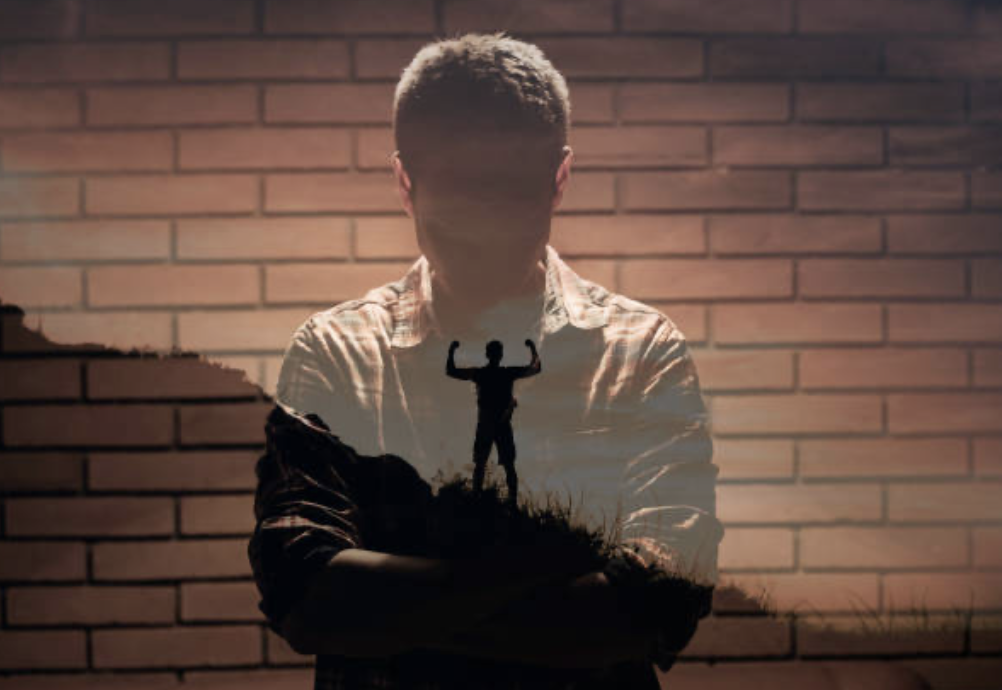

As professionals ourselves, our team knows how important it is to be well equipped to handle life’s demands often found within the workplace, the home and throughout our community. Approximately one in ten of all people are susceptible to the perils of addiction. People struggling from addiction are less likely to ask for help due to the stigma associated with addiction and the perceived risk of losing one’s career, family and connections.
Unfortunately, addiction amongst individuals does not discriminate, and is the leading cause of lost careers, broken families and lost relationships. Although studies have proven that longer recovery programs have a higher rate of success, our intake specialists can help guide you as to whether our intensive residential track or our relapse stabilization track is the right match for your needs.
Contact the PorchLight team to learn about your options.